You did’t miss a “perfect line of planets” in June – because it was never there. What you might have forgotten, or perhaps want to relive, are the nights when the sky truly came alive: Mars illuminating the night from dusk till dawn in January, a stunning seven-planet arc stretching across the horizon in late February, Saturn Sharpening its rings to a delicate edge in spring, and Venus and Jupiter nearly touching at dawn while meteors streaked through their glow. This is the straightforward, high-impact guide to what really happened – and the exact steps to make next year’s alignments your most unforgettable nights.
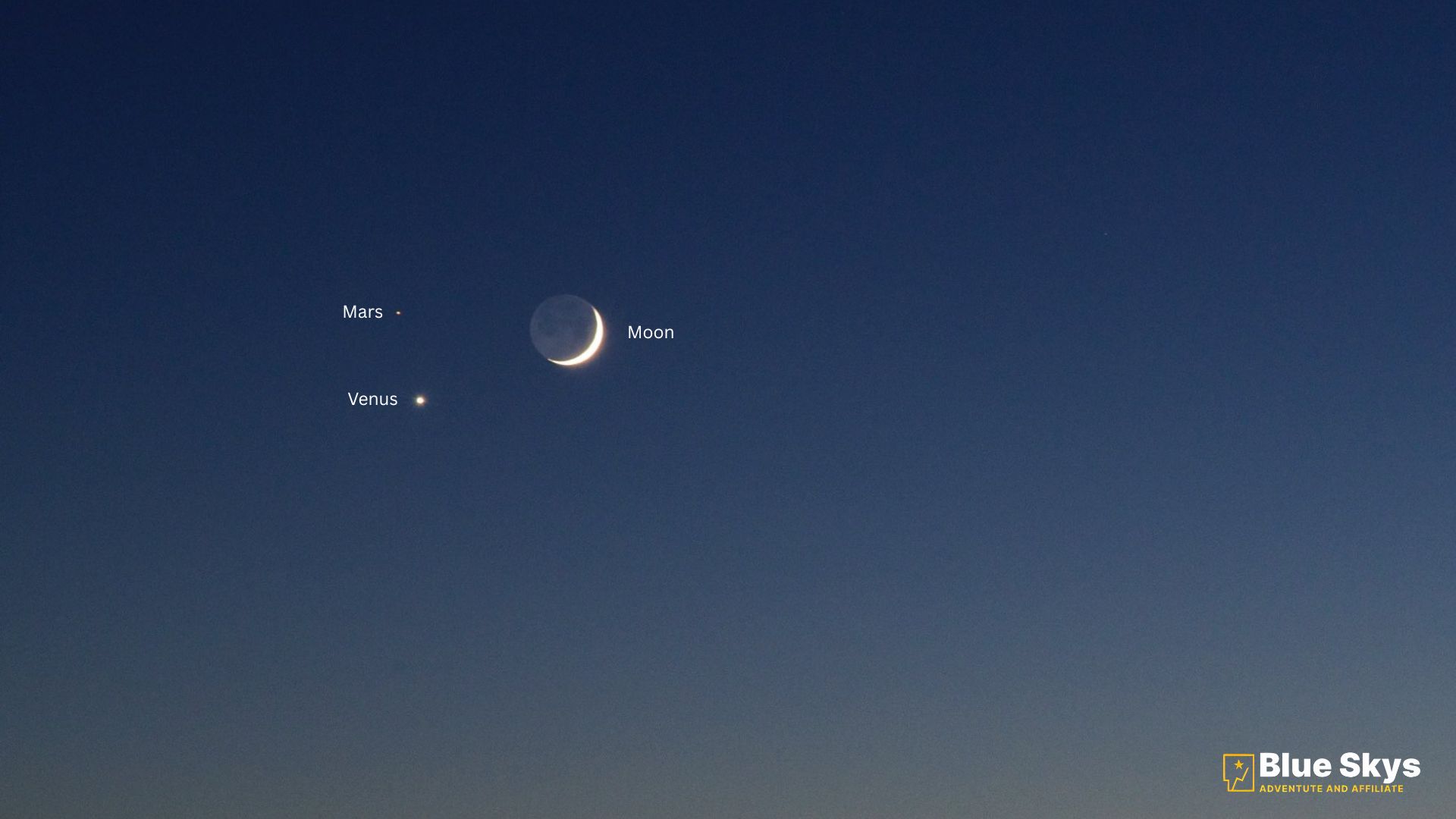
What really happened in 2025: the verified highlight
- January — Mars at opposition (mid‑January): Mars rose at sunset and blazed all night, offering its brightest views in years. Small telescopes teased out polar caps and dusky markings while naked‑eye observers enjoyed a red beacon dominating winter skies.
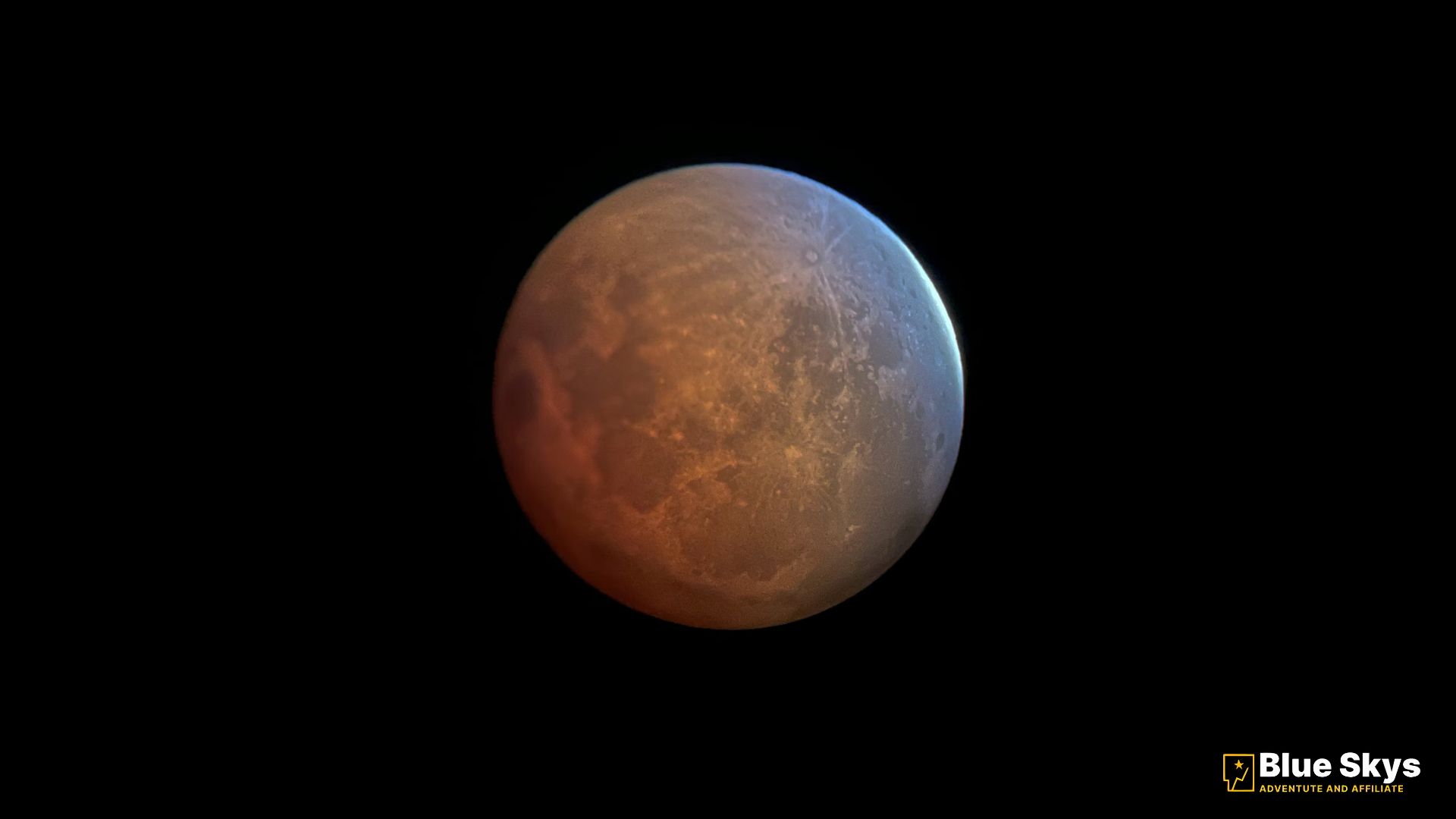
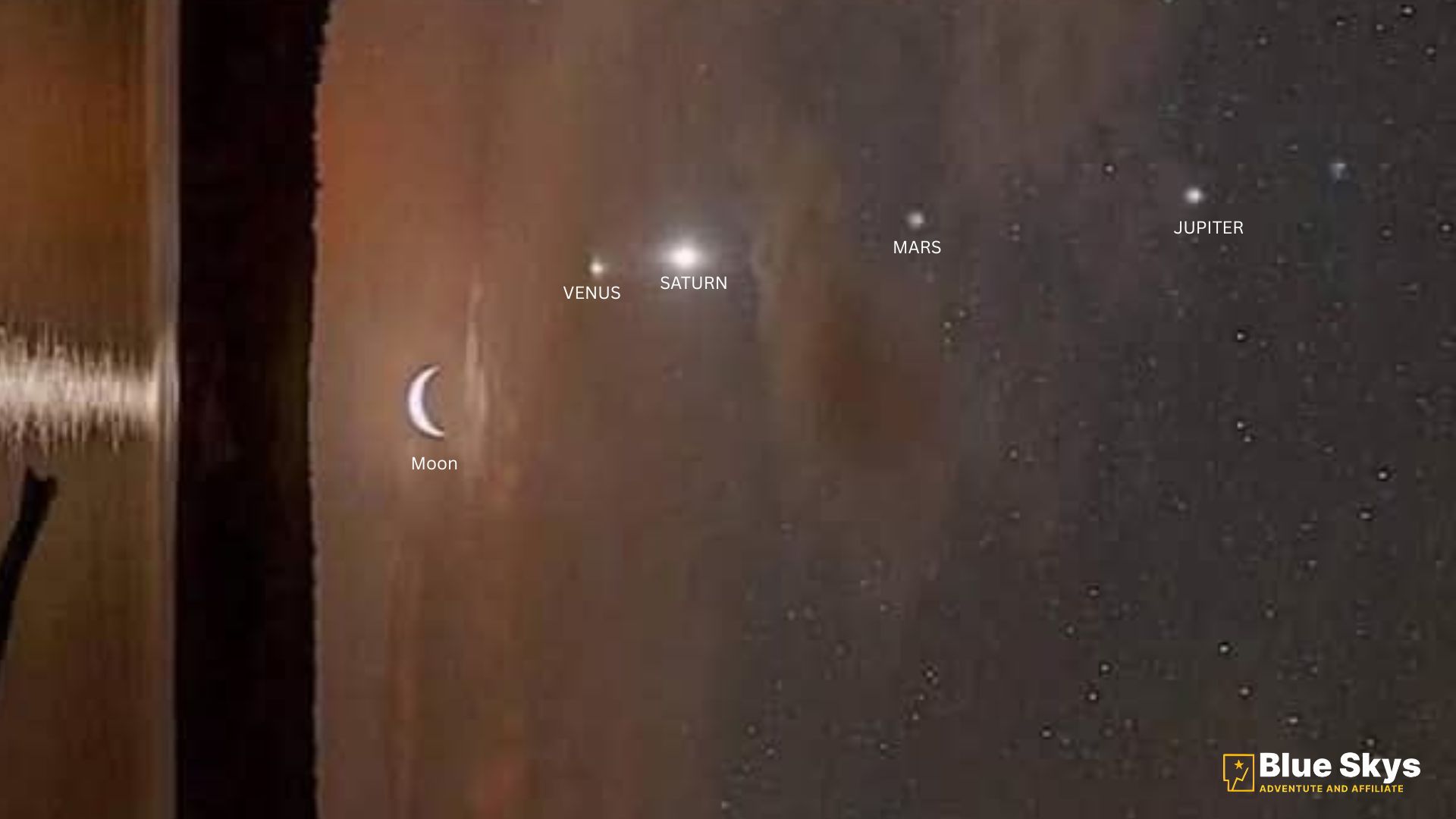
- Late February — The seven‑planet parade (Feb 23–28): A genuine multi‑planet arc: Mercury, Venus, Mars, Jupiter, Saturn, Uranus, Neptune. After sunset, the lineup stretched low in the west. Mercury and Saturn hugged the horizon; Uranus and Neptune needed binoculars; the rest were naked‑eye showpieces.
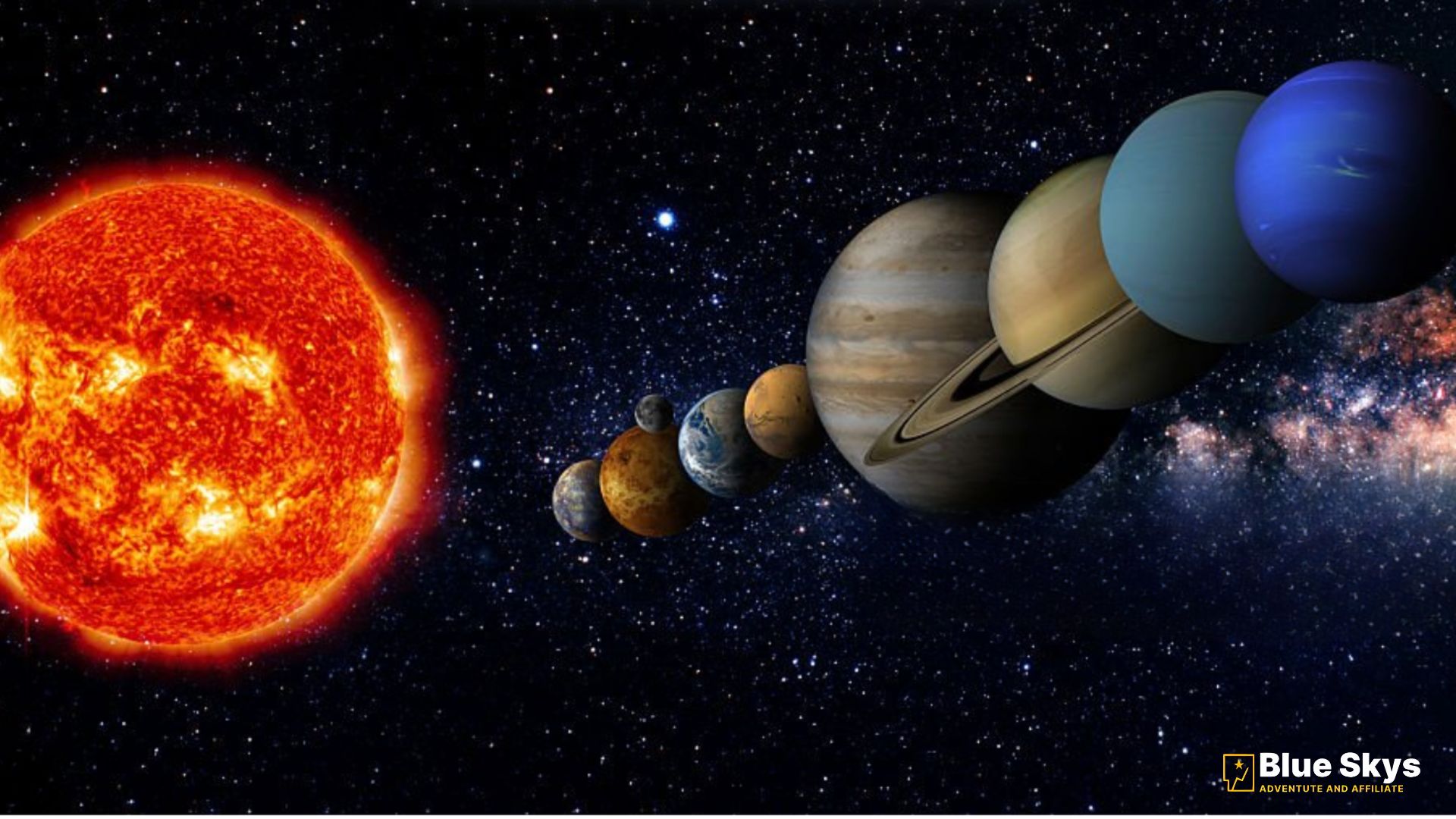
- March–April — Saturn’s rings edge‑on: Geometry turned Saturn’s rings into a paper‑thin line, transforming its familiar look in telescopes. A rare aesthetic shift that rewarded patient observers and imagers.
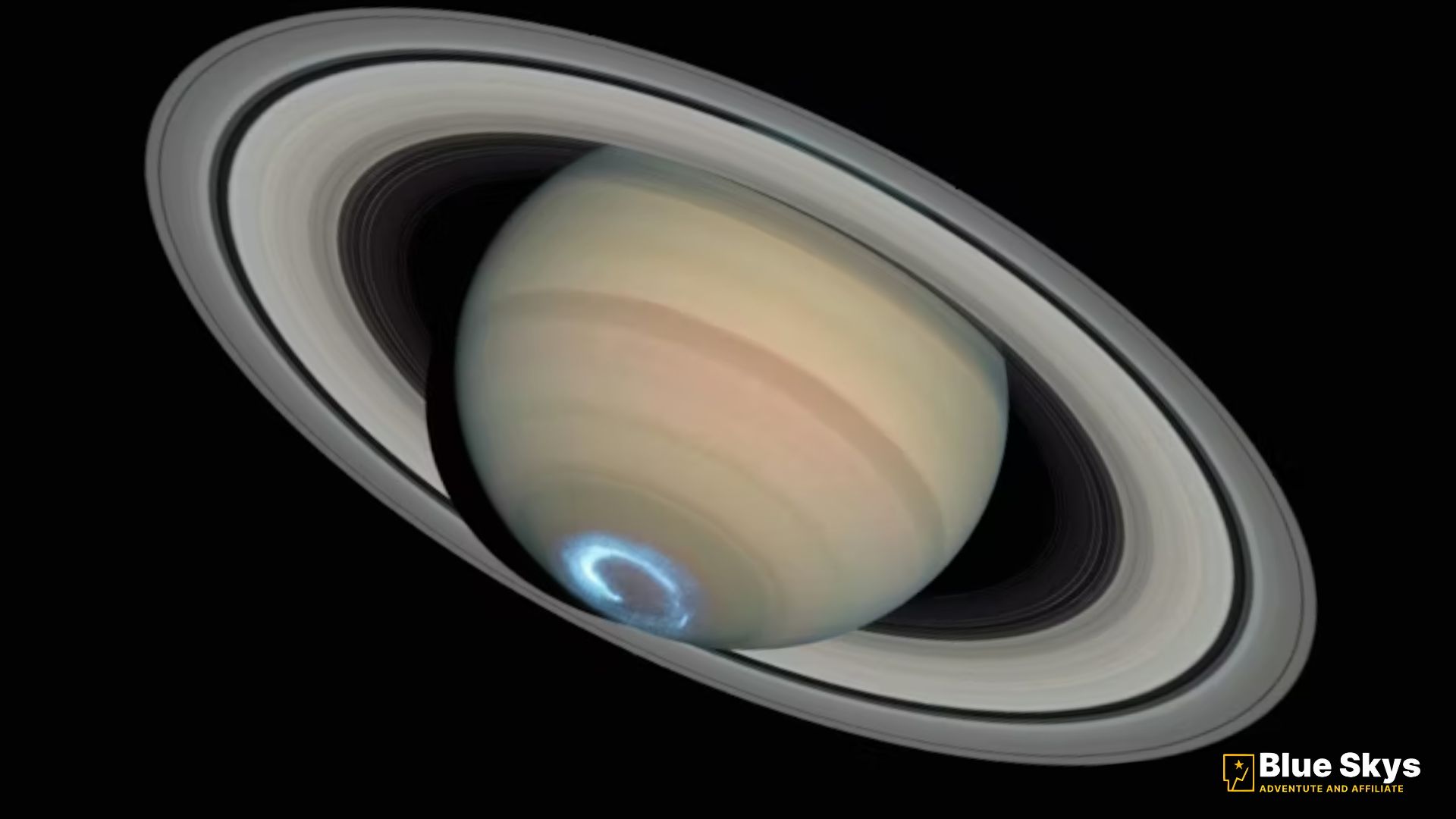
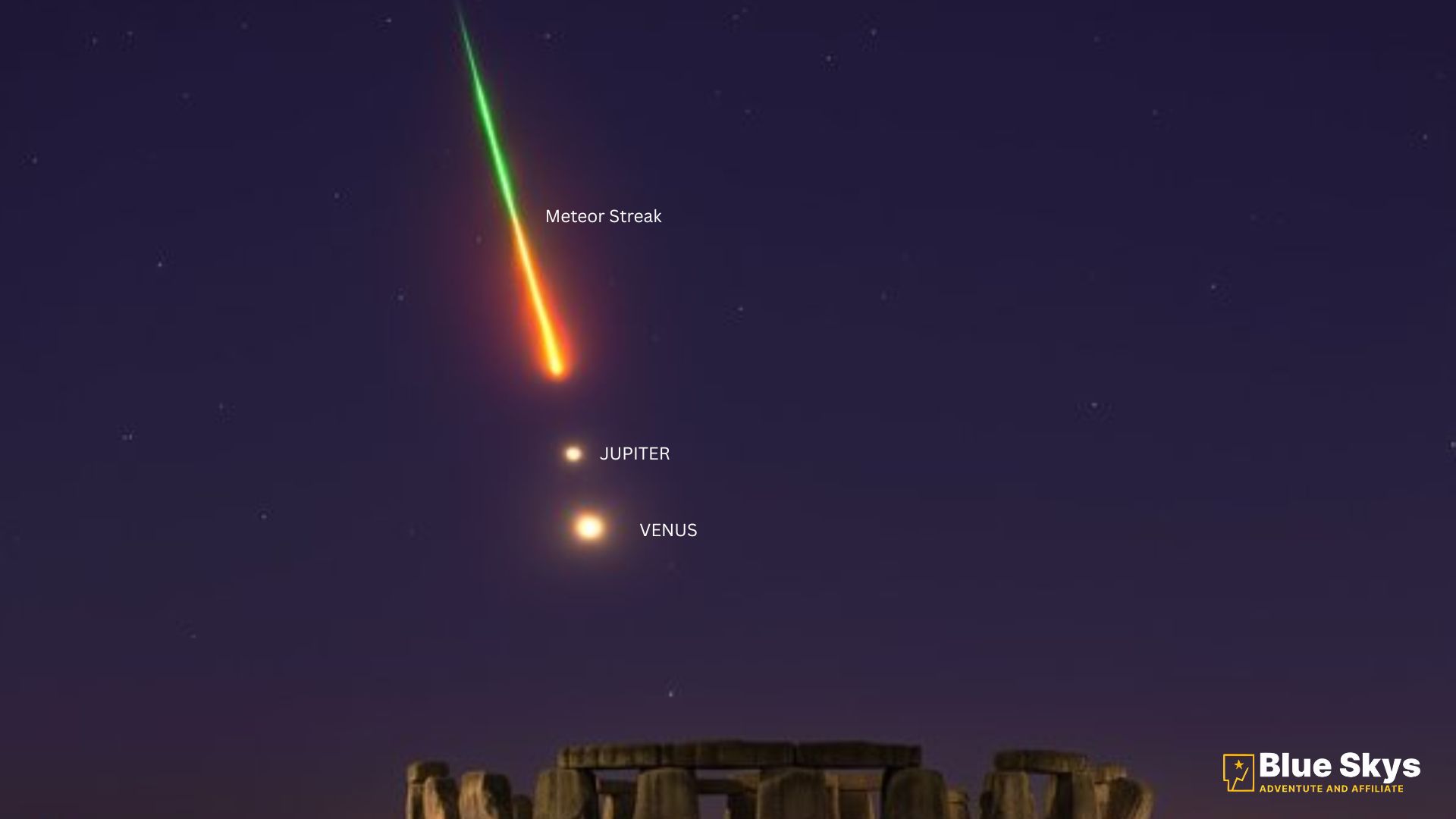
- August 12 — Venus–Jupiter dawn pairing (+ Perseids):
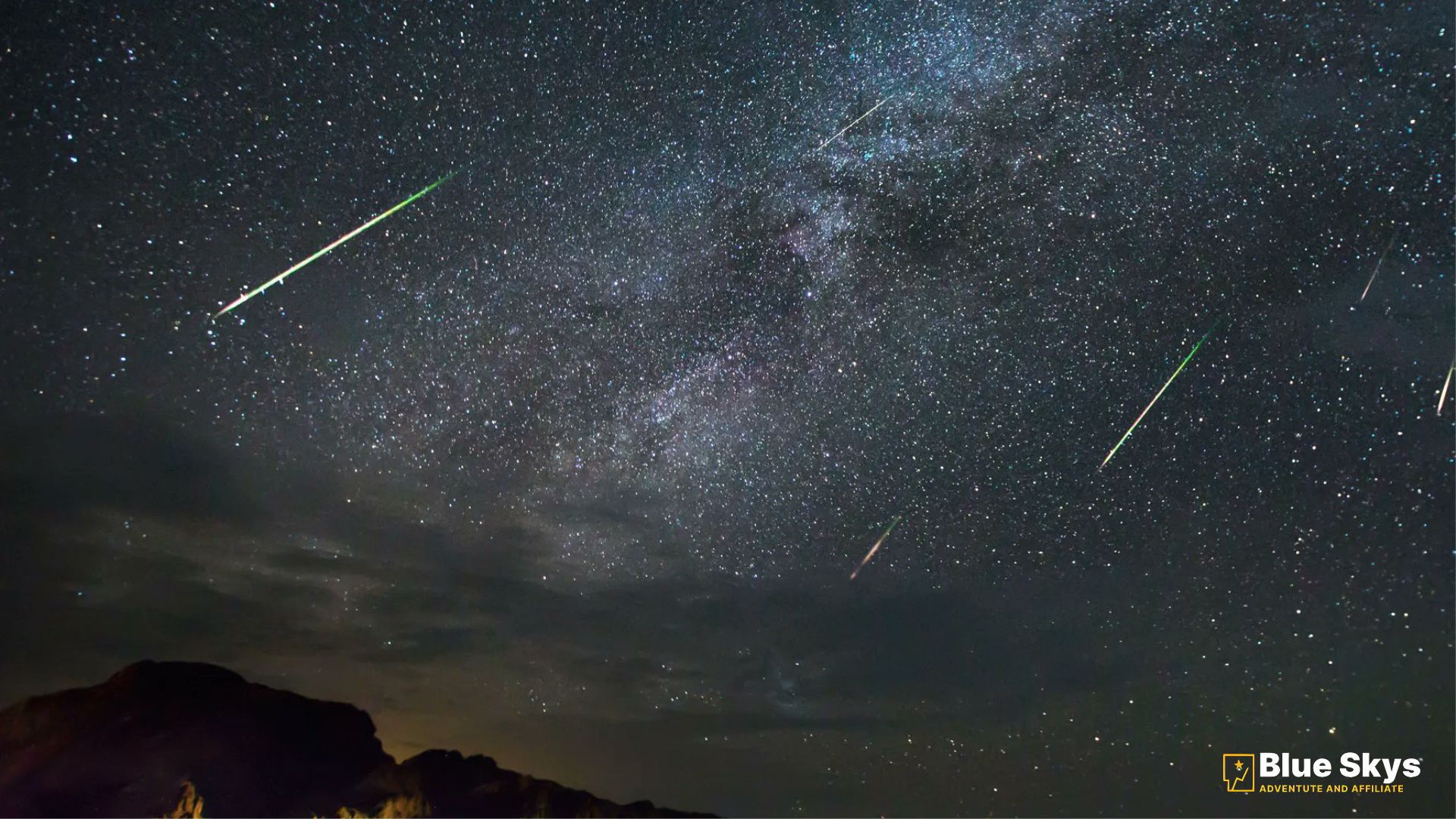
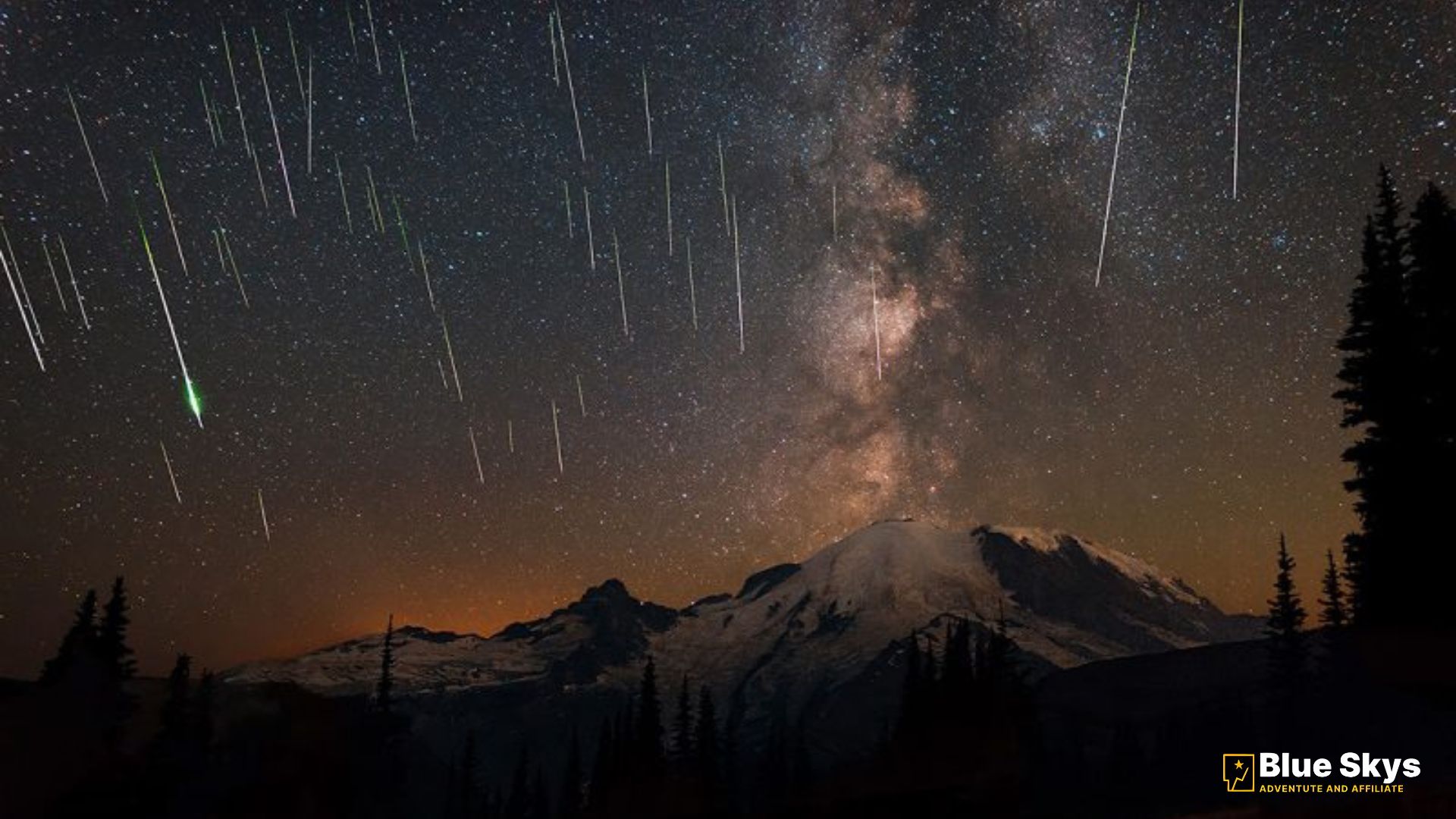
The two brightest planets tightened to roughly a degree before sunrise—photogenic, dramatic, and perfectly timed as Perseid meteors stitched light across the scene.
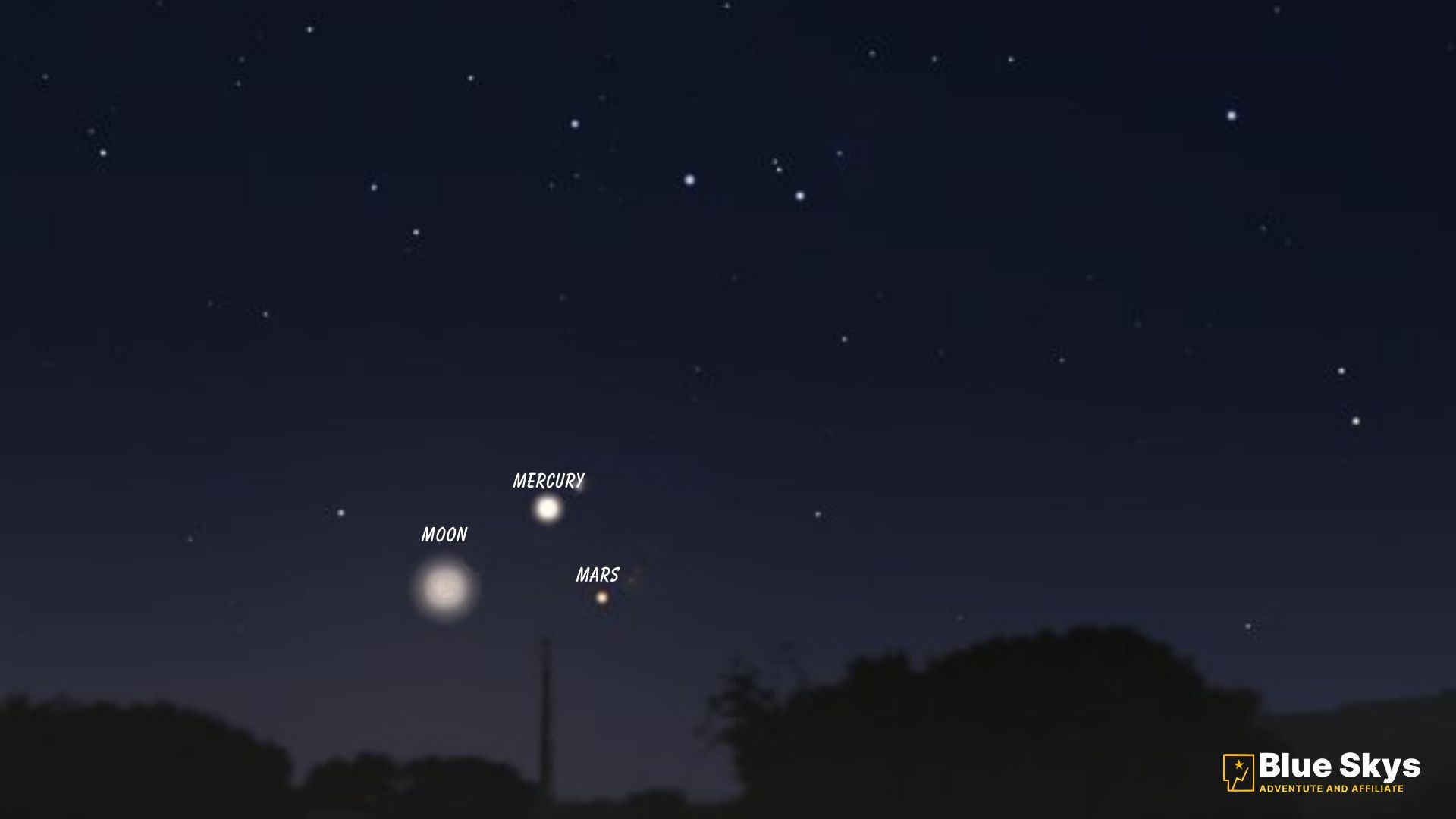
- November — Southern Hemisphere treat:
Mercury and Mars paired high after sunset for Australia, New Zealand, South Africa, and parts of South America—an easy, golden‑hour show with big public‑outreach appeal.
Why the June rumor exploded — and how to avoid bad sky takes
Images without context: Simulated sky maps and wide photos shared with no date, time, or latitude misled millions.
Clickbait headlines: “See all the planets at once!” outran corrections.
Global claims for a local sky: Visibility depends on hemisphere, horizon, and timing—no single map fits everyone.
Fast filter: If a post lacks the exact UTC date/time and a location/hemisphere note, treat it skeptically and verify before sharing.
Evergreen guide — how to plan any planetary event
Tools that actually help
- Naked eye: Bright planets and close pairings are easy and rewarding.
- Binoculars (7–10×): Your best bet for Uranus and Neptune during parades.
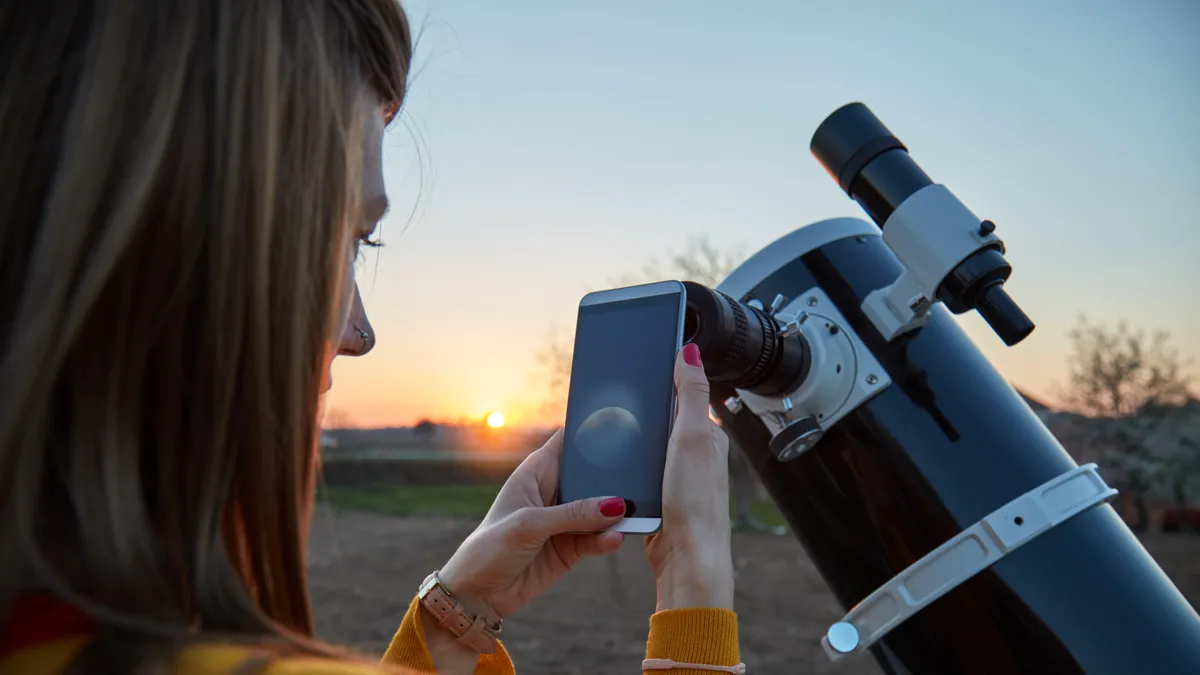
- Small telescope: For Saturn’s rings and hints of Mars surface detail.
- Planetarium app: Confirm what’s above your horizon at your location and time.
Pre‑event checklist (arrive prepared)
- Horizon: Know your western/eastern clear view for that event.
- Darkness: Faint planets need dark skies—plan the drive.
- Timing: Show up 30–60 minutes early; let your eyes adapt.
- Gear: Tripod, warm layers, printed finder chart, spare batteries, snacks
60‑second verification (no more confusion)
Open your planet app, set the date/time and location, and check the horizon view. If the planets sit below your horizon for that moment, the claim doesn’t apply to you.