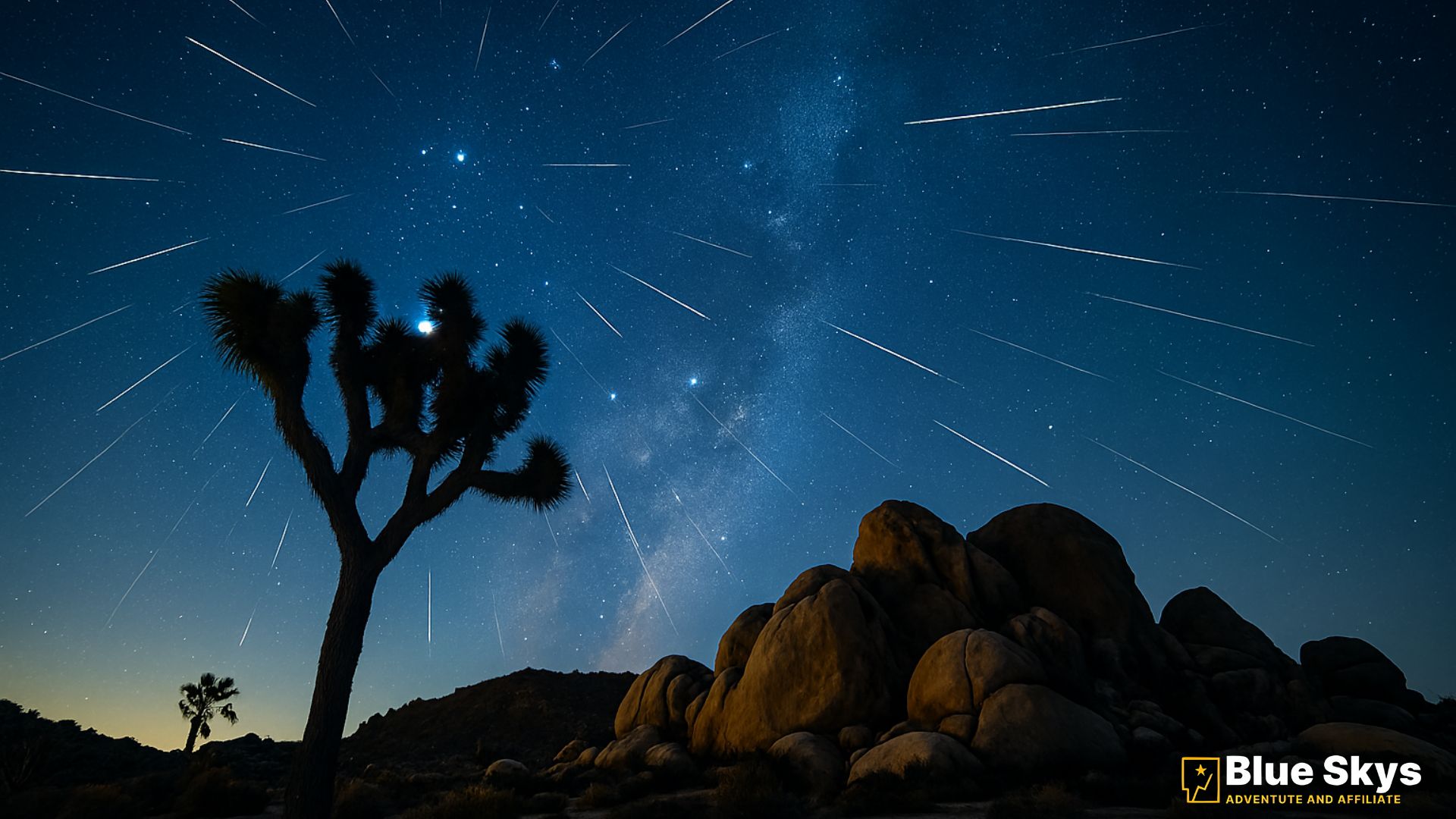
🚨 2026 Update: The Quadrantids peak on the night of January 3–4, 2026. This year coincides with a Full Moon, meaning you will only see the brightest “fireballs.” Timing is critical: Aim for the pre-dawn hours.
Quadrantid Meteor Shower Guide: How to Watch in 2026
Most stargazers hibernate in January. But for those brave enough to face the cold, the Quadrantid Meteor Shower offers a unique challenge.
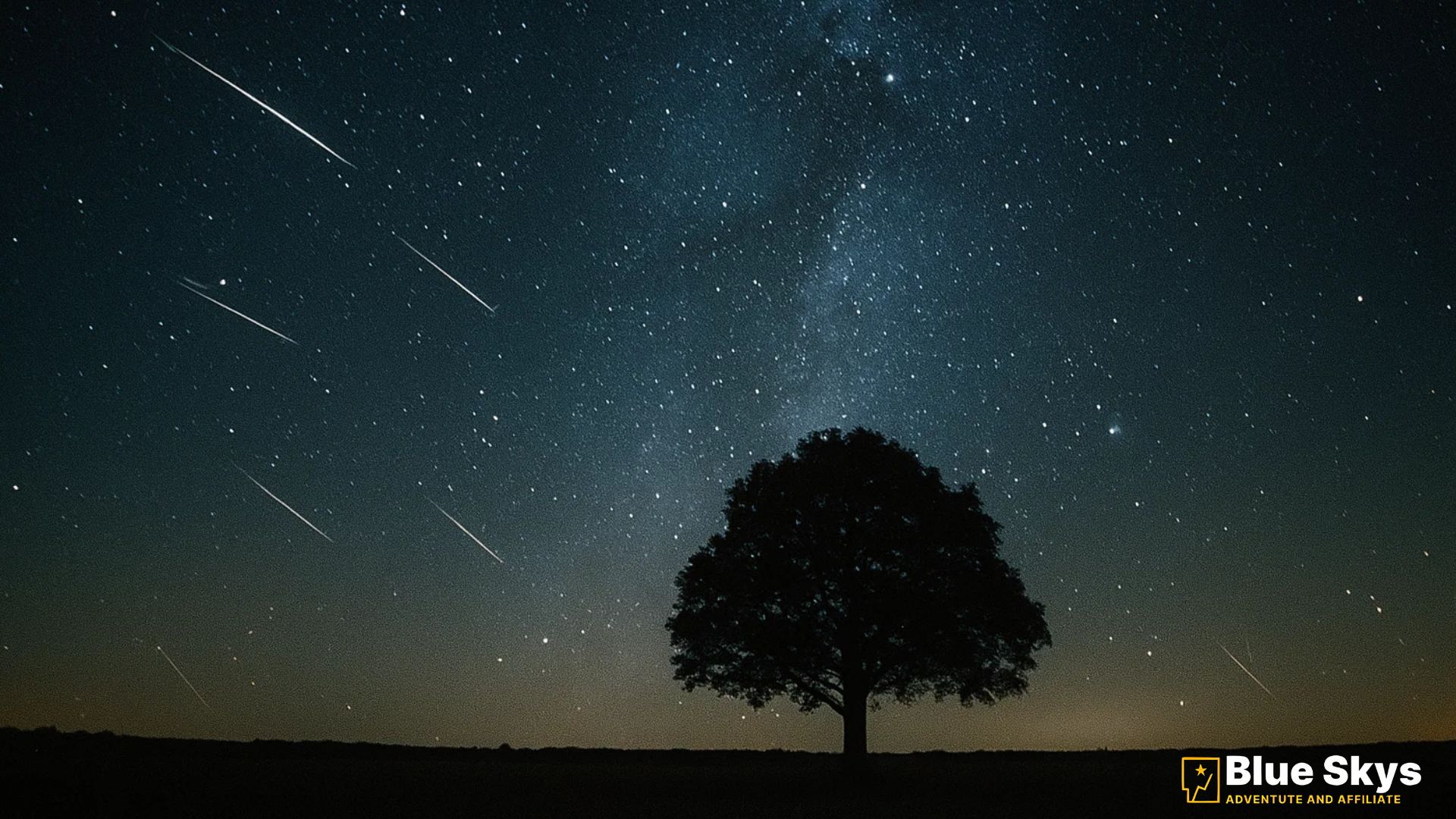
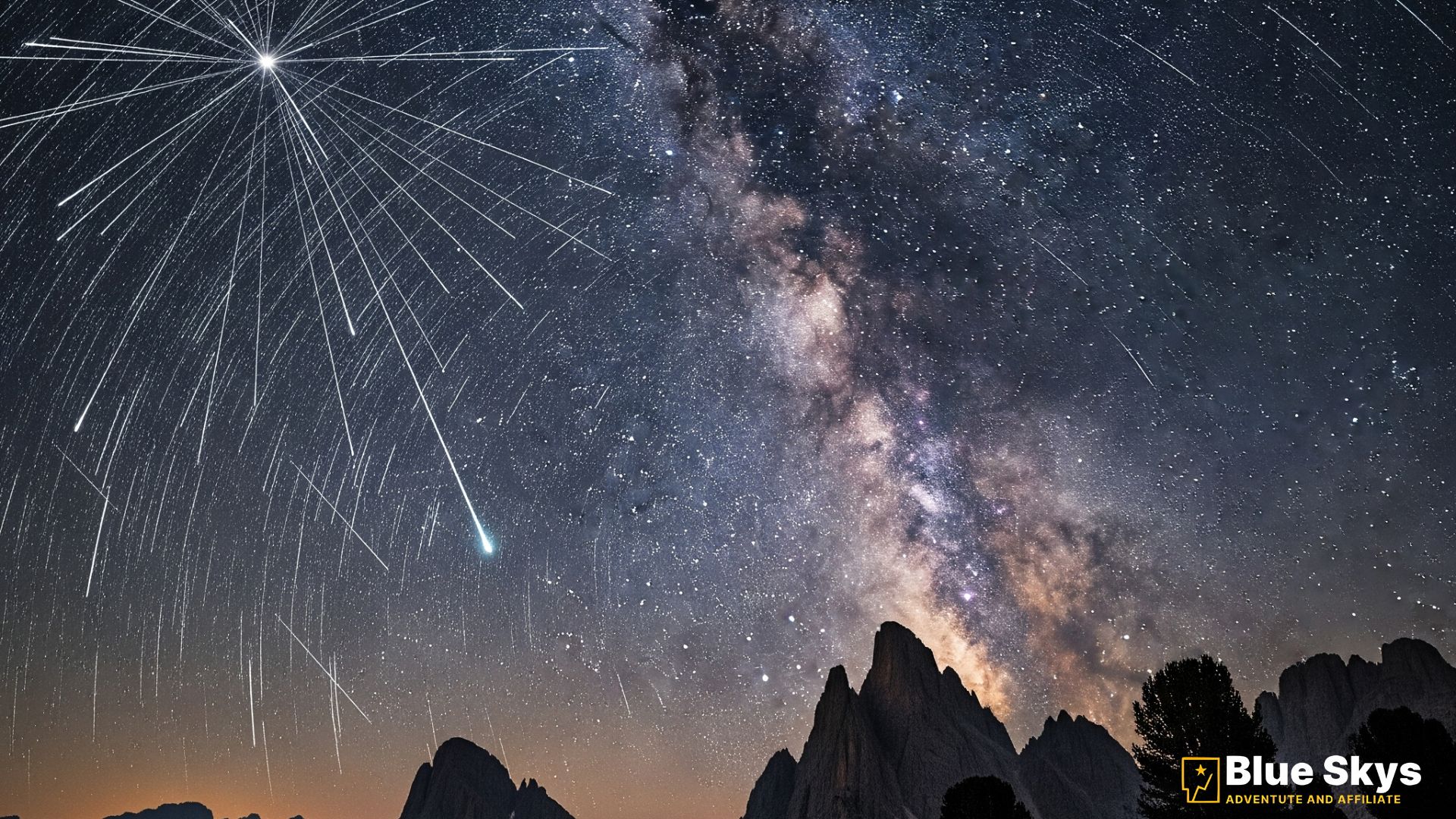
On the night of January 3, 2026, Earth will pass through the debris trail of asteroid 2003 EH1. While the Quadrantids are famous for producing up to 110 meteors per hour, 2026 will be different.
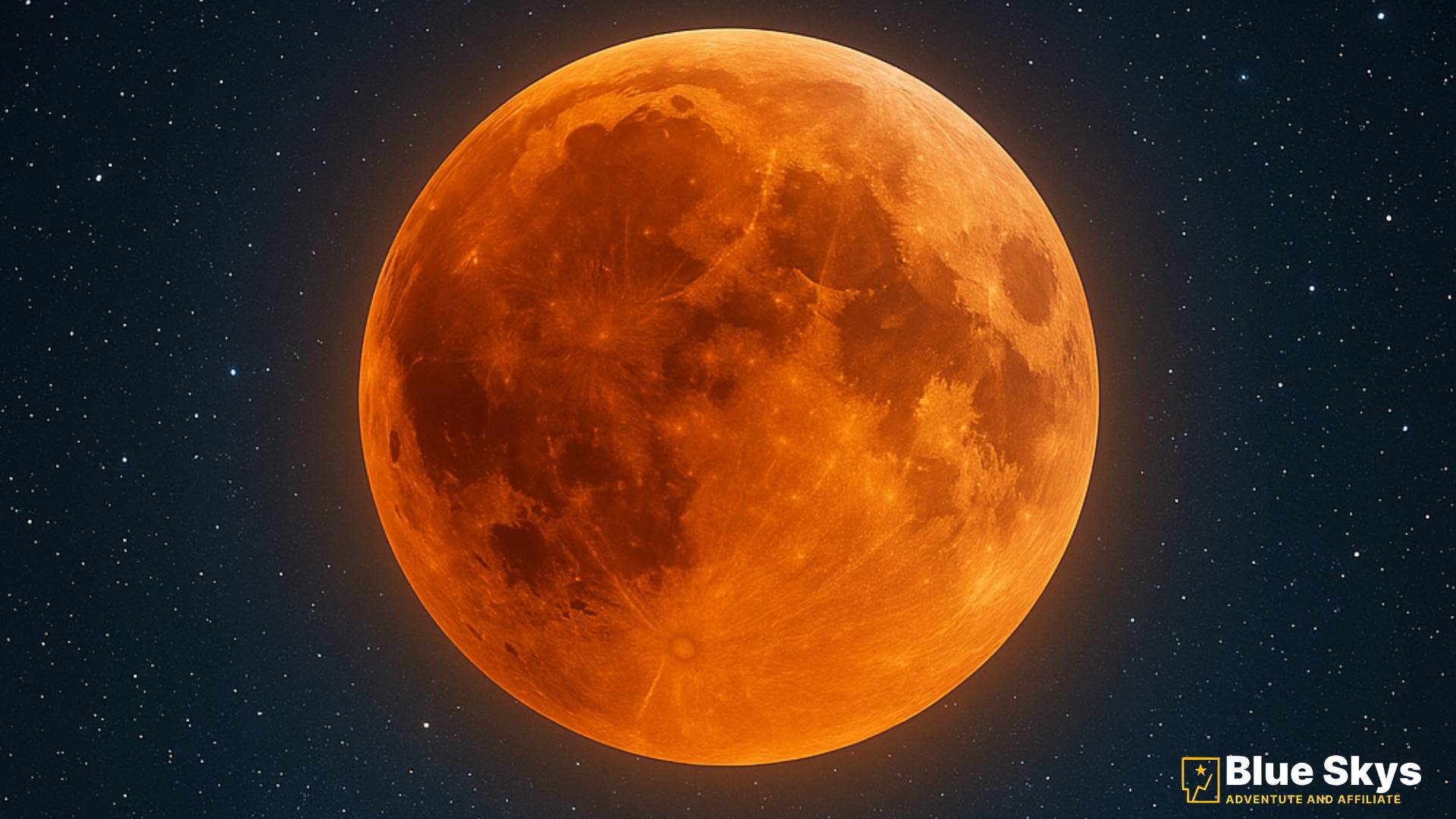
The peak coincides with a bright Full Wolf Moon.
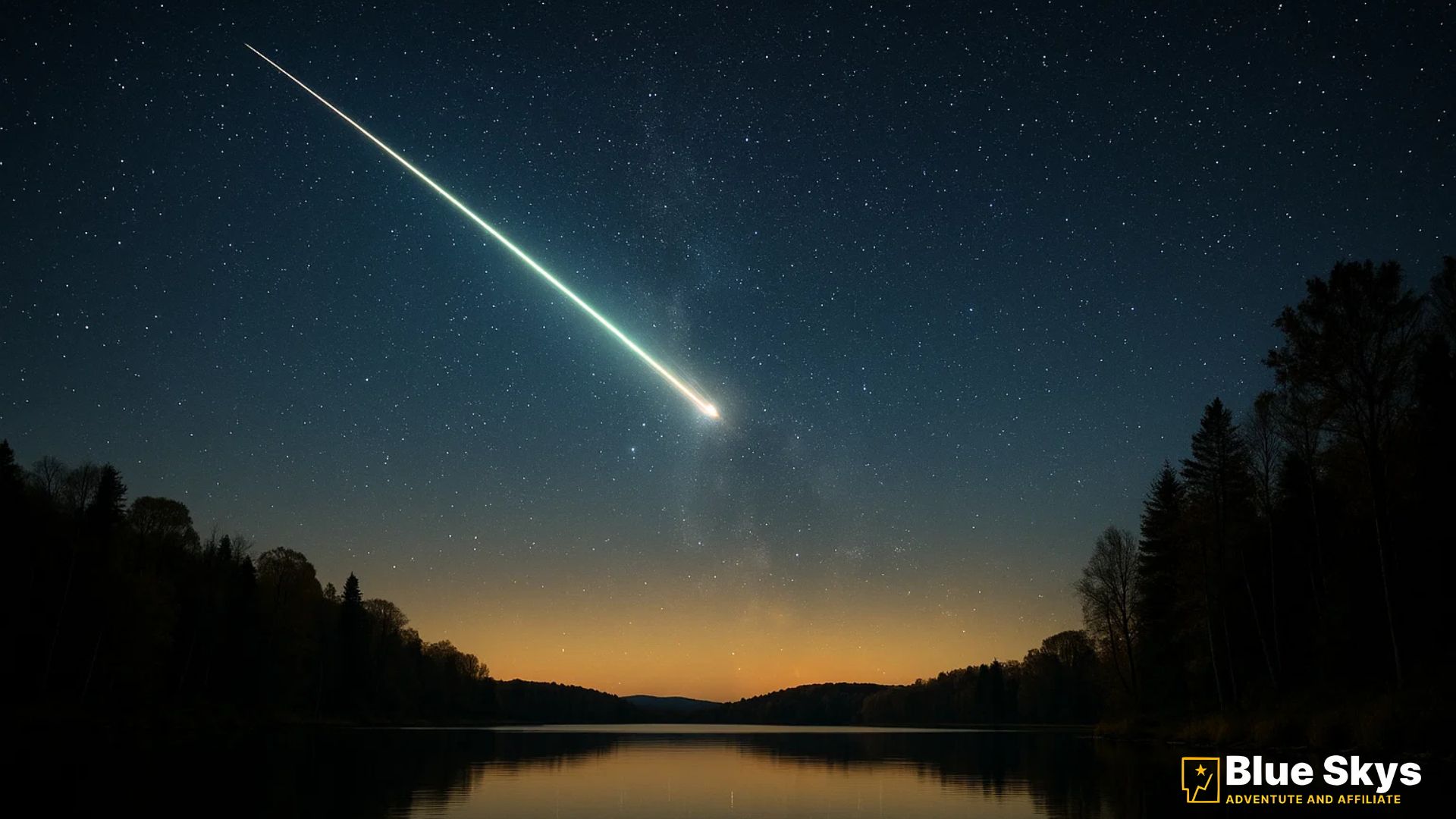
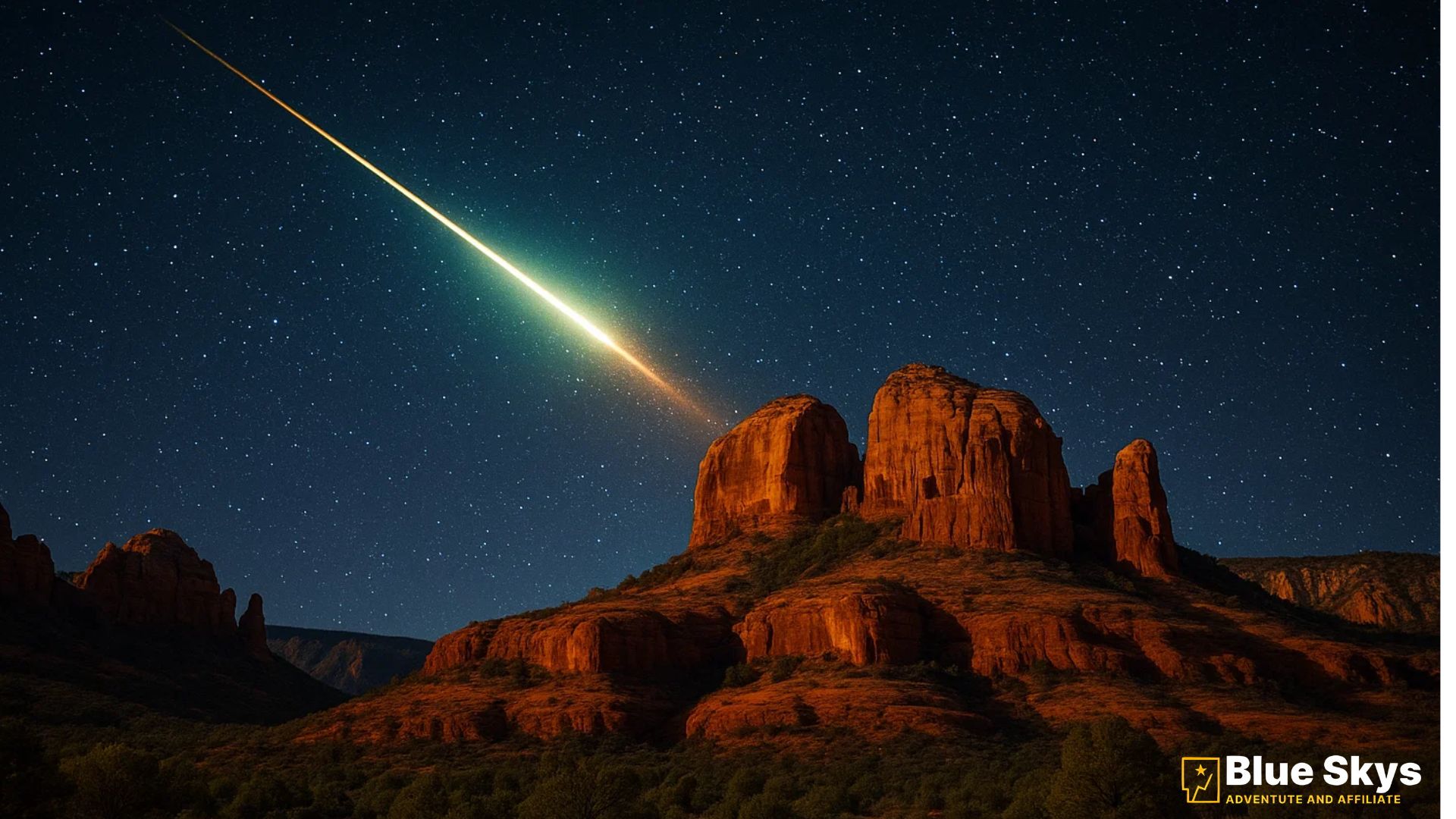
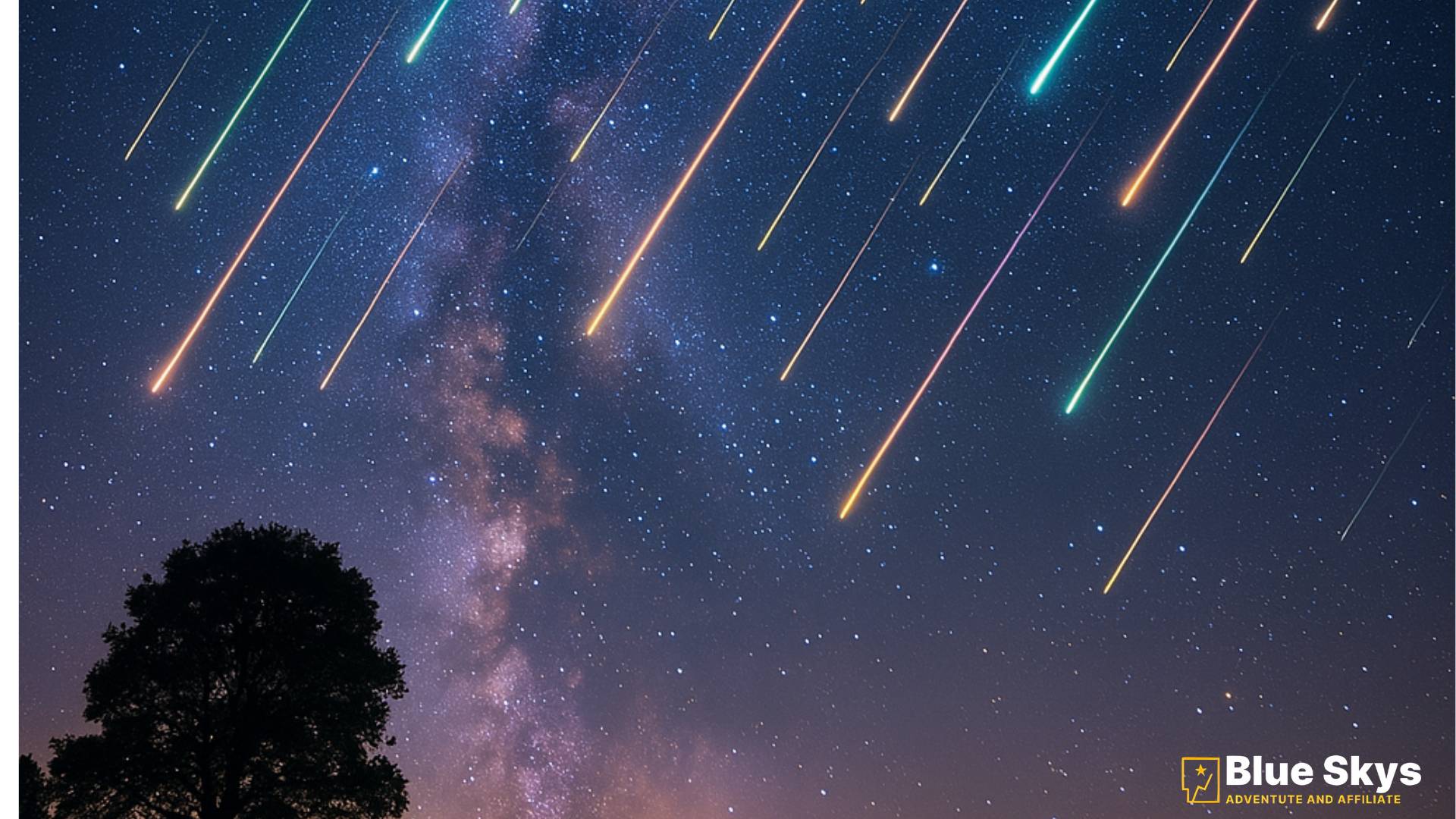
Does this mean you should stay inside? No. The Quadrantids are famous for producing bright fireballs with glowing trains that can cut through the moonlight. In this guide, we will show you how to block the moon, find the radiant using the Big Dipper, and catch the best of the shower.
🚀 Quick Facts: Quadrantids 2026
- Peak Night: Late night Jan 3 into early morning Jan 4.
- Best Window: 3:00 AM to Dawn (Your Local Time).
- Moon Phase: Full Moon. (Visibility will be lower than usual).
- Radiant Point: Between Boötes and Draco (near the Big Dipper’s handle).
- The Goal: Spotting bright Fireballs.
Quadrantids Peak Time Tonight (Jan 3–4)
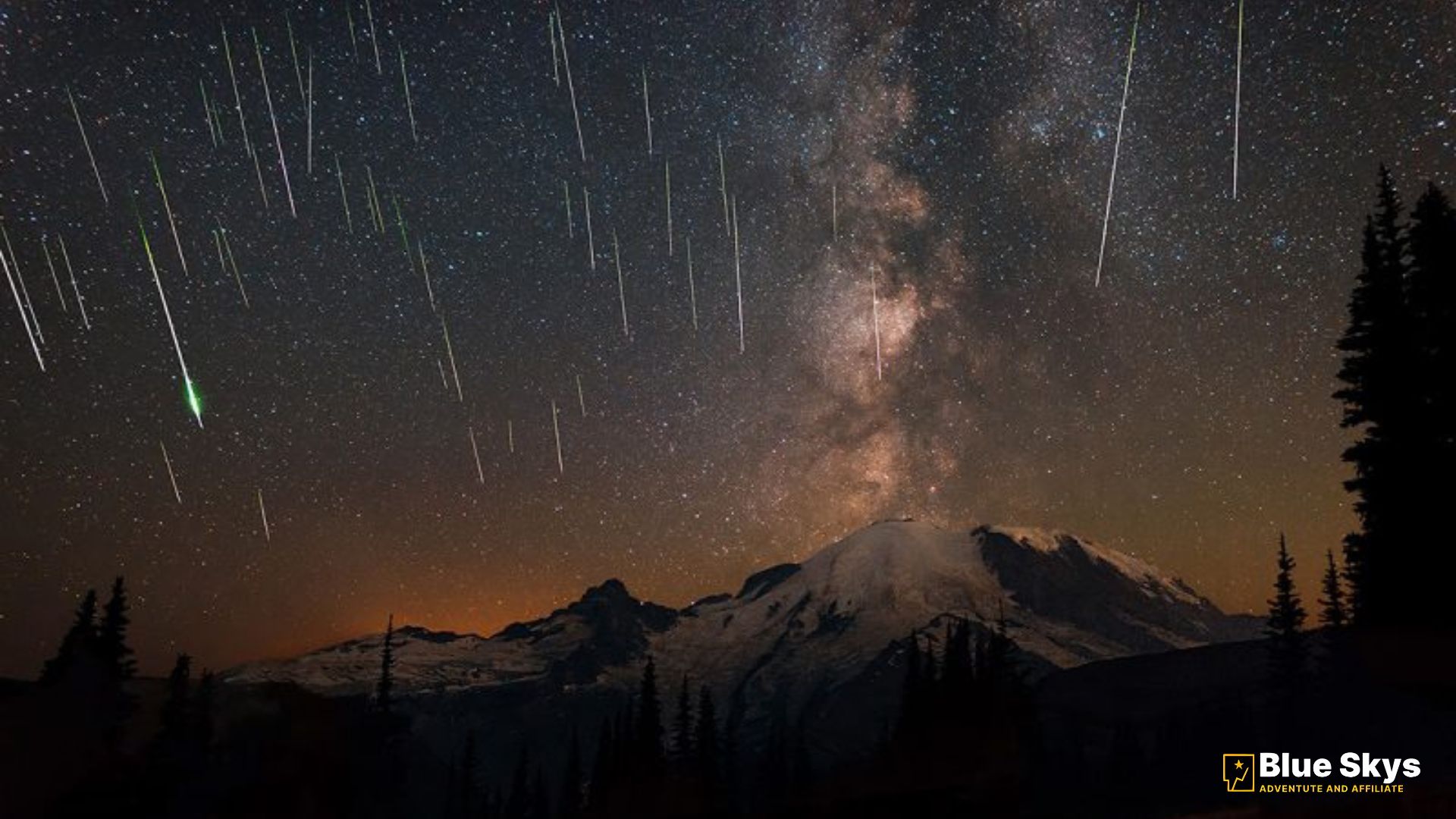
The Quadrantids have a notoriously short peak window—only about 6 hours. Outside of this window, activity drops to near zero.
Because of the Full Moon, faint meteors will be invisible. You are hunting for the big ones. Here is your best viewing schedule:
| Region / Time Zone | Best Viewing Window | 2026 Forecast |
|---|---|---|
| 🇺🇸 USA (EST) | 3:00 AM – 6:00 AM (Jan 4) | 🌕 Moon Interference |
| 🇺🇸 USA (PST) | 2:00 AM – 5:30 AM (Jan 4) | 🌕 Moon Interference |
| 🇬🇧 UK (GMT) | 1:00 AM – 6:30 AM (Jan 4) | 🌕 Moon Interference |
| 🇪🇺 Europe (CET) | 2:00 AM – 7:00 AM (Jan 4) | 🌕 Moon Interference |
How to Block the Moon & Find the Radiant
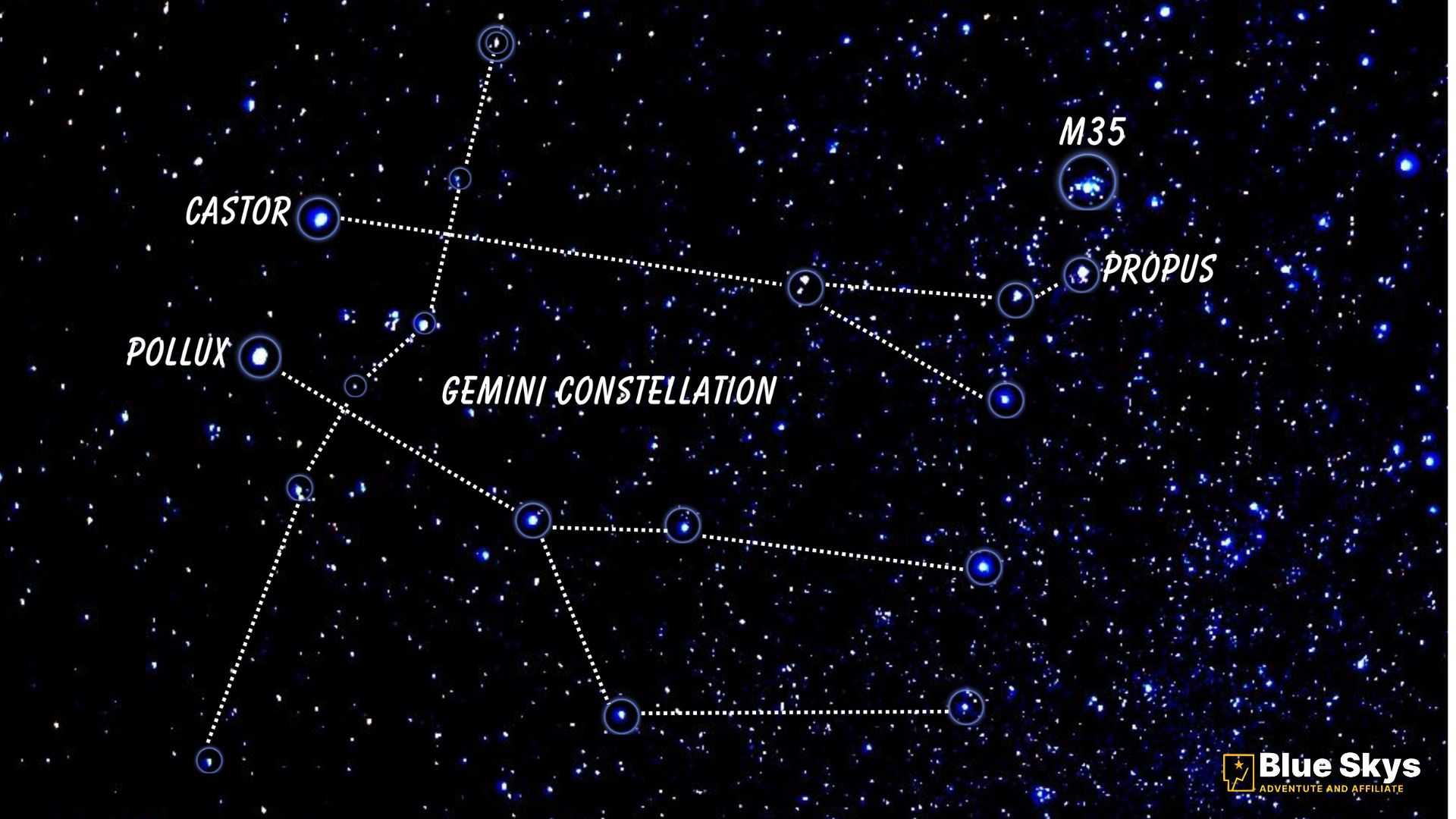
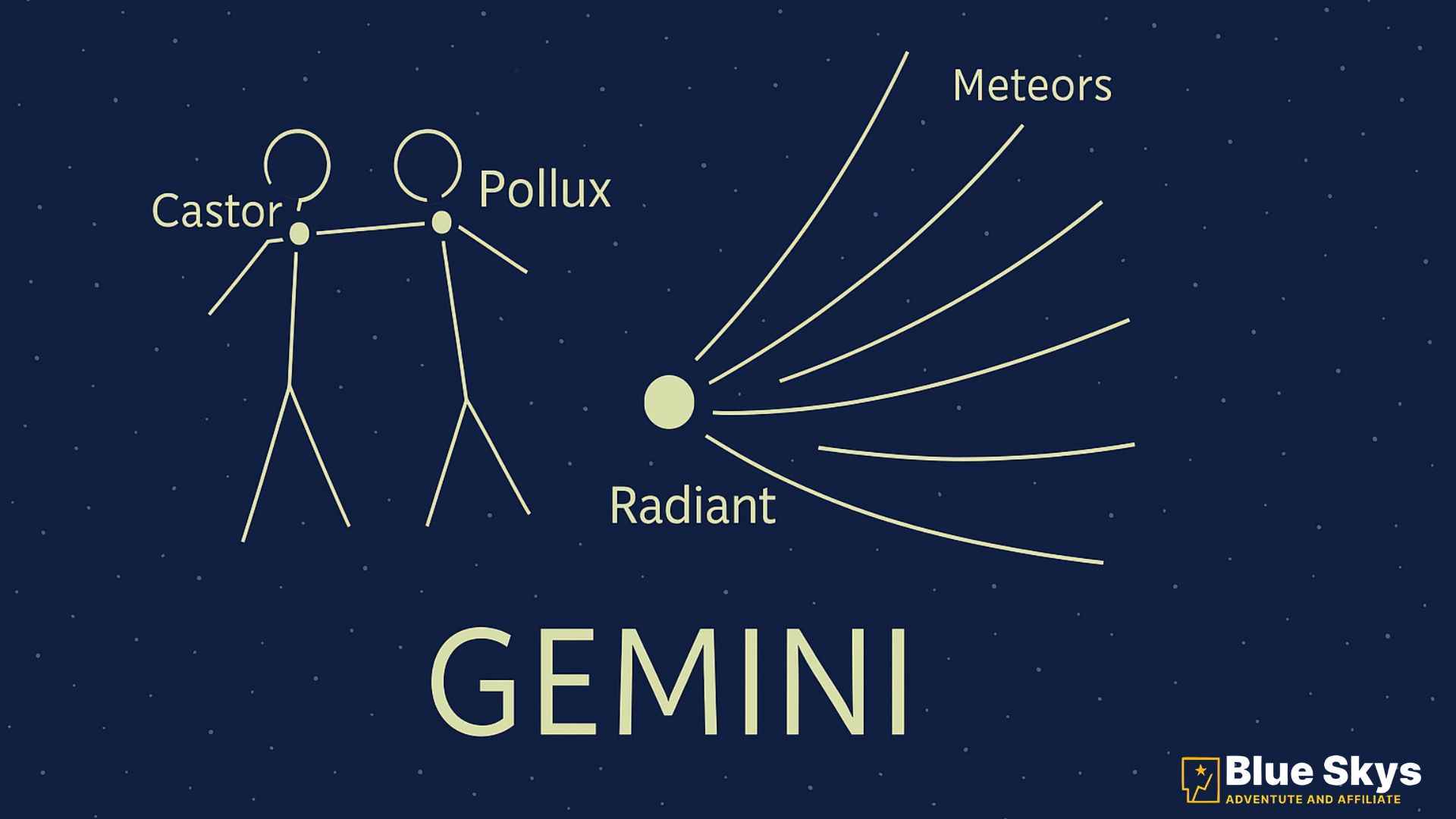
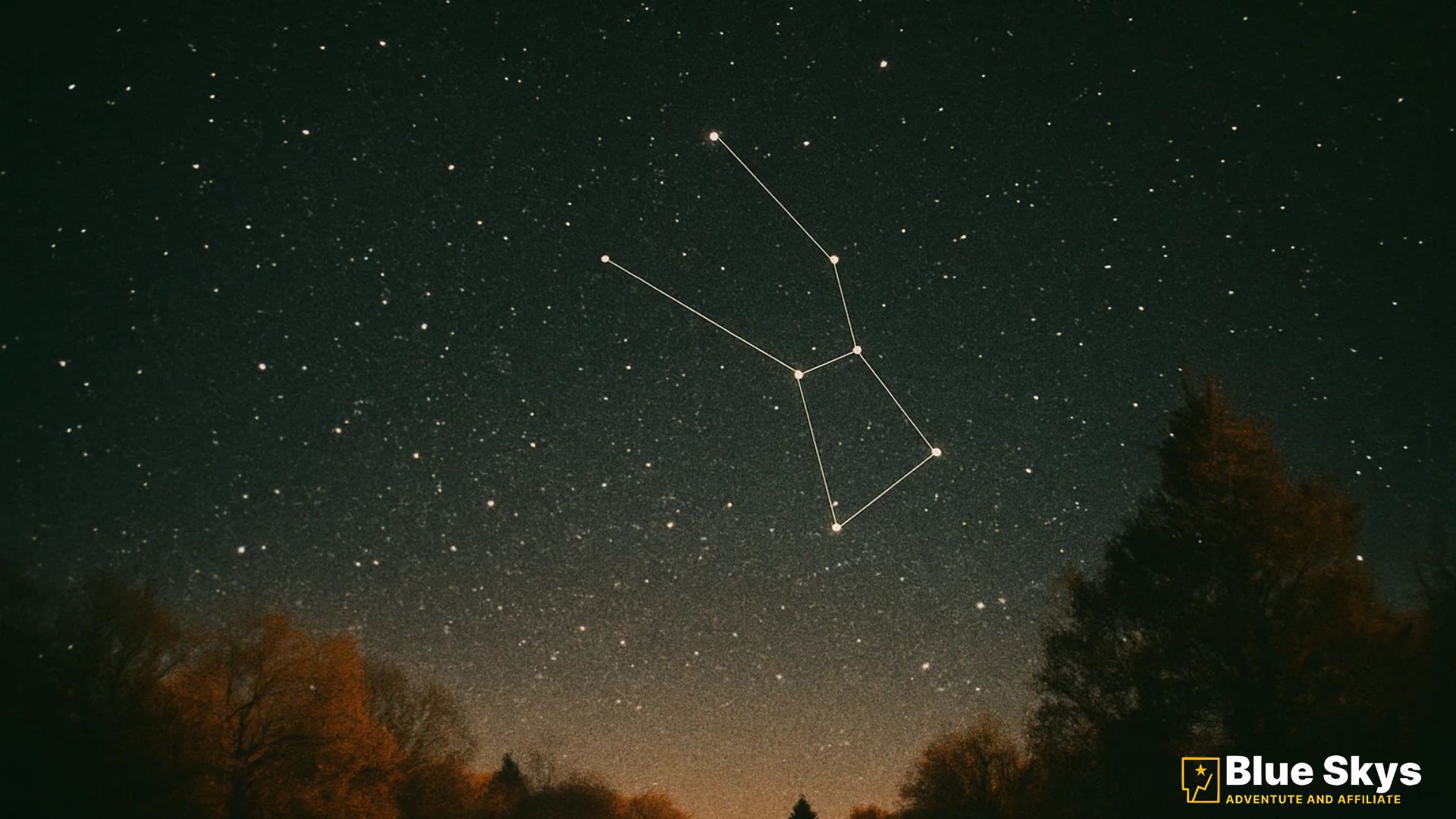
The radiant point is in the constellation Boötes (the Herdsman). To find it, look North for the Big Dipper. Follow the curve of the handle down towards the bright star Arcturus. The radiant is in the “void” between the Dipper’s handle and Draco.
The “Moon Block” Strategy: Since the Full Moon will be bright, do not face the moon.
Position yourself so a building, tree, or hill blocks the Moon from your direct line of sight.
Face North (toward the Big Dipper), keeping the Moon behind you.
Look straight up at the darkest patch of sky you can find.
Quadrantids Survival Checklist (Cold Weather)
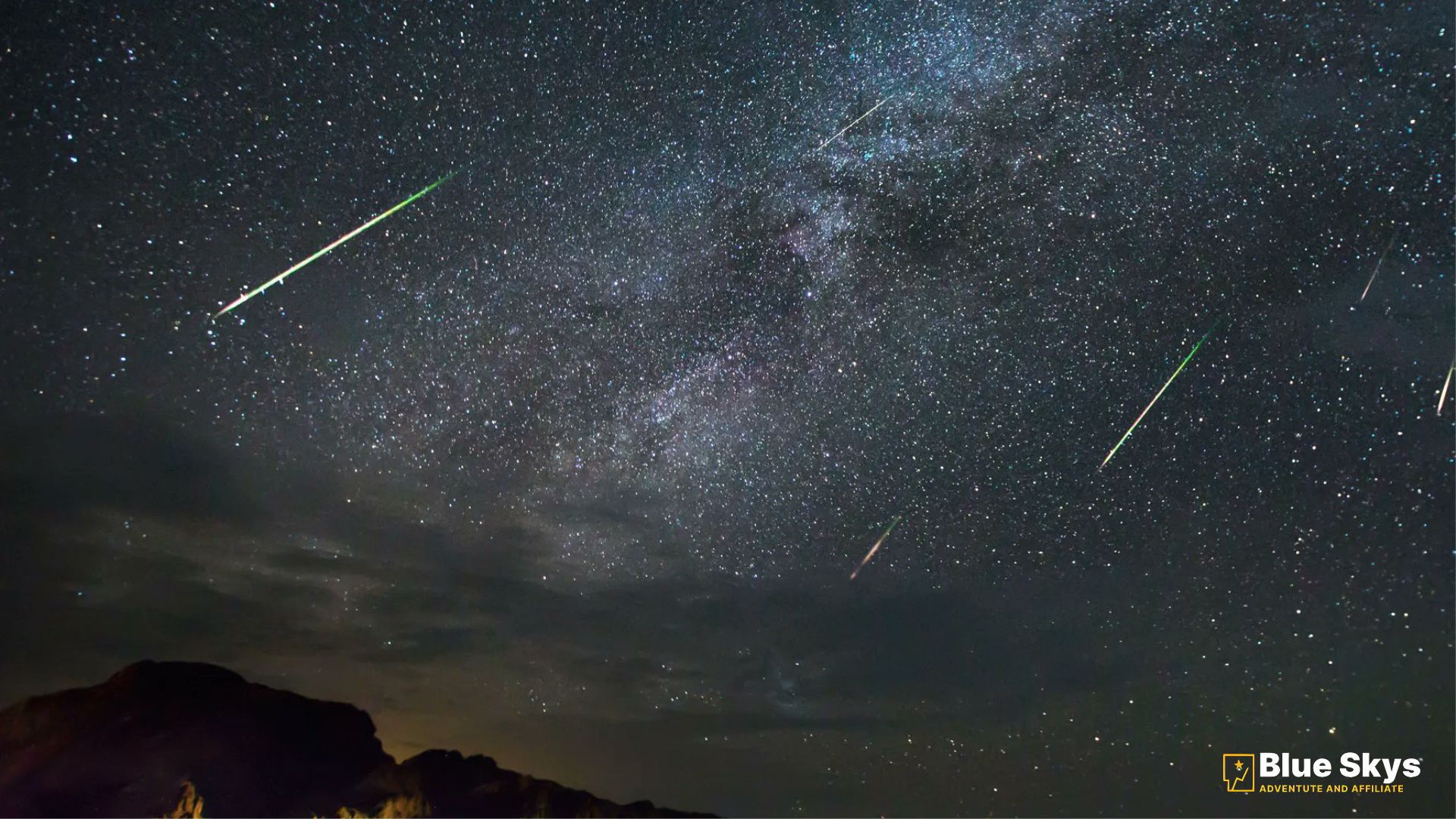
Since this is a January shower, the cold is your biggest enemy. Hypothermia can set in quickly if you are standing still at 3 AM.
❄️ The “Stay Warm” Checklist
- ✅ The Double-Sock Rule: Wear a thin synthetic liner sock under a thick wool sock. Tight boots cut off circulation, so keep them loose!
- ✅ Battery Warmers: Lithium-ion batteries die fast in the cold. Tape a hand warmer to the back of your phone or camera battery.
- ✅ Isolation Layer: Don’t sit directly on the ground. Put a foam pad or wool blanket under you.
- ✅ Lens Defogger: Wrap a hand warmer around your camera lens with a rubber band to stop frost from forming on the glass.
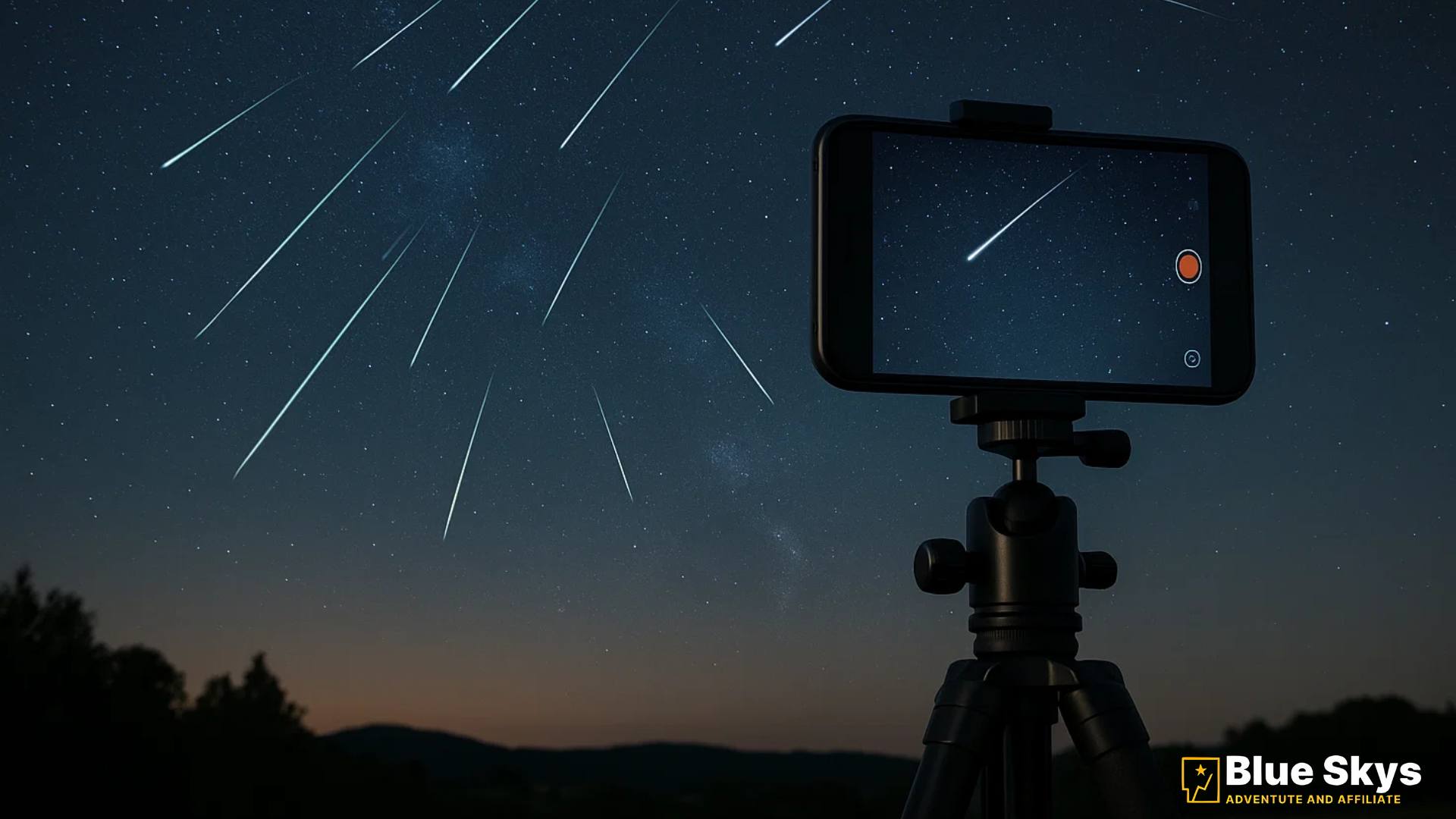
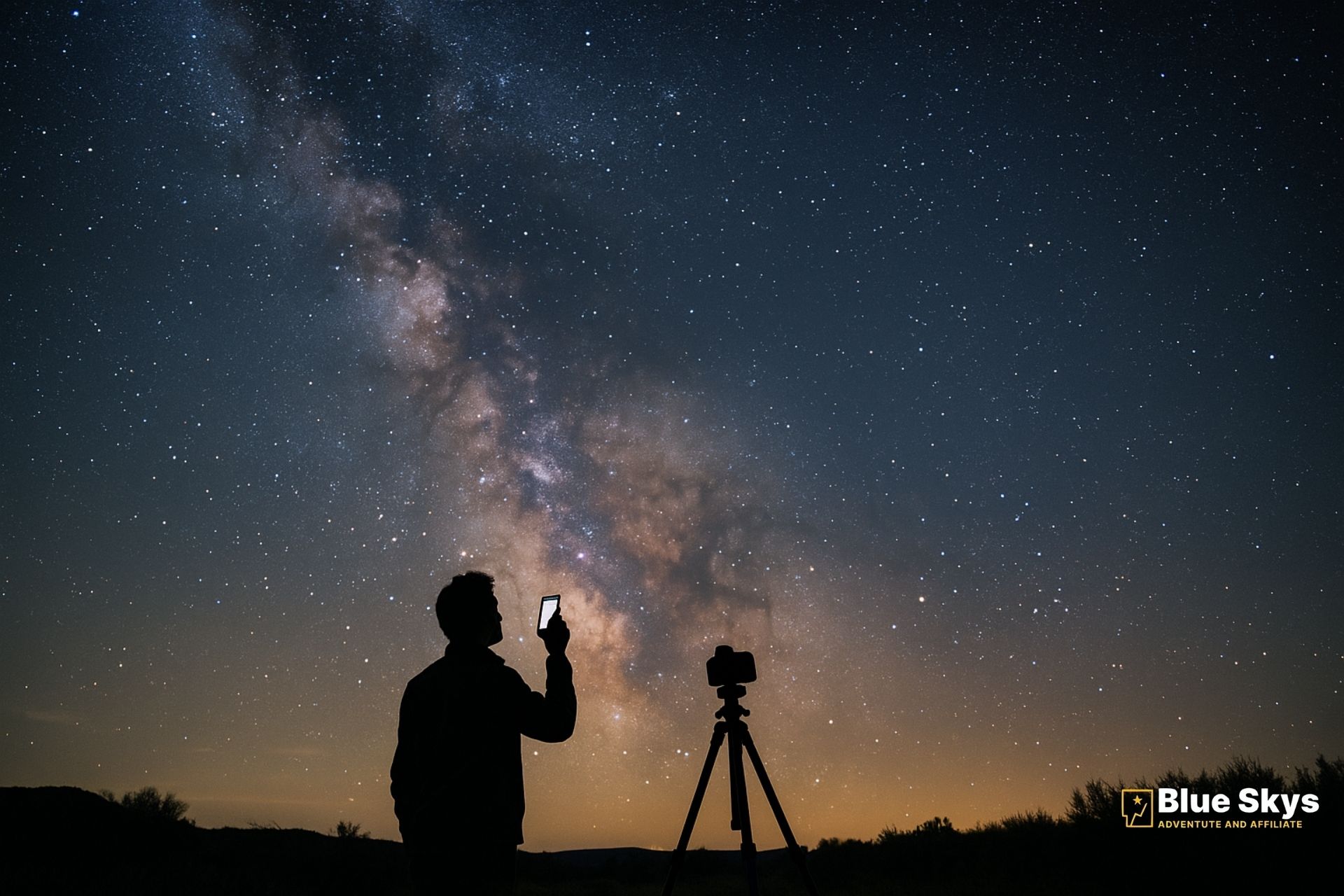
📸 Photographer’s Recipe: Shooting in Moonlight
The Full Moon actually lights up the foreground, which can create cool photos if you catch a bright meteor.
- Lens: Wide Angle (14mm – 24mm)
- Aperture: f/4 or f/5.6 (Stop down slightly because of the bright moon)
- ISO: 800 or 1600 (Lower than usual to avoid overexposure)
- Shutter Speed: 10 to 15 seconds
- Goal: Capture a “Fireball” streak against the blue moonlit sky.
Final Verdict: Is it Worth the Cold?
If you are looking for 100 meteors an hour, you might be disappointed this year. But if you are a dedicated stargazer looking to catch one or two spectacular fireballs that outshine the moonlight, the Quadrantids are still a thrill. Bundle up, block the moon, and good luck!